

The Degrowth International Political School in the Media
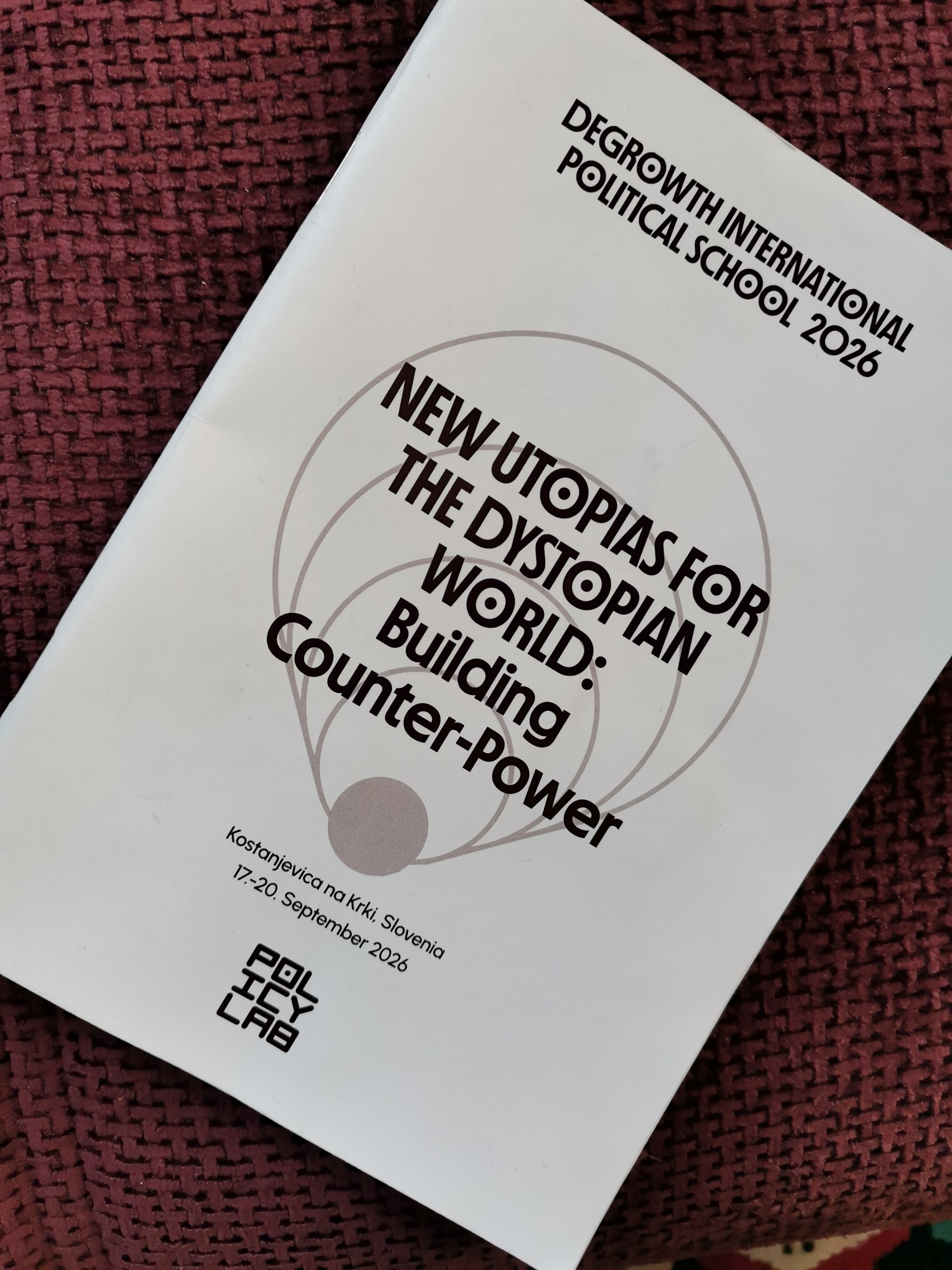
Date and location:
September 27, 2026
Gallery:
How Can We Build an Economy for a Good Life?
How can we reshape the economy so that social progress benefits everyone, rather than only a small elite? What role can degrowth play in this, and how can its ideas become part of concrete political and social solutions? These questions are at the centre of an extensive media report by journalist Sarah Neubauer from the Degrowth International Political School, which we organised in September in Kostanjevica na Krki, Slovenia.
In the report How can we change the economy so that GDP growth brings prosperity to everyone, not just the elite?, N1 Slovenija presents different perspectives on degrowth and explores why economic growth on its own increasingly fails to guarantee a better life for the majority of people.
For Policy Lab, this is one of the key starting points of the degrowth debate. As Ajda K. Pistotnik, co-founder and Director of Policy Lab, explains:
“The key question of degrowth is how to organise society so that everyone can live a dignified and good life while remaining within ecological and planetary boundaries.”
Degrowth is therefore not simply a call to shrink the economy. It is about asking what the economy should actually provide, which activities we need more of and which we need less of, and how we measure social progress. Concrete proposals include shorter working hours, accessible public services and housing, a fairer distribution of wealth, and public investment directed towards meeting social needs while reducing environmental pressures.
This was also emphasised in the report by Aljoša Slameršak, co-founder of Policy Lab and researcher at the Autonomous University of Barcelona:
“The goal of degrowth is not to reduce economic growth.”
The central question is where we direct our collective resources: towards activities that increase GDP, or primarily towards those that provide people with housing, healthcare, education, energy, mobility and other conditions for a good life.
Systemic change and collective power
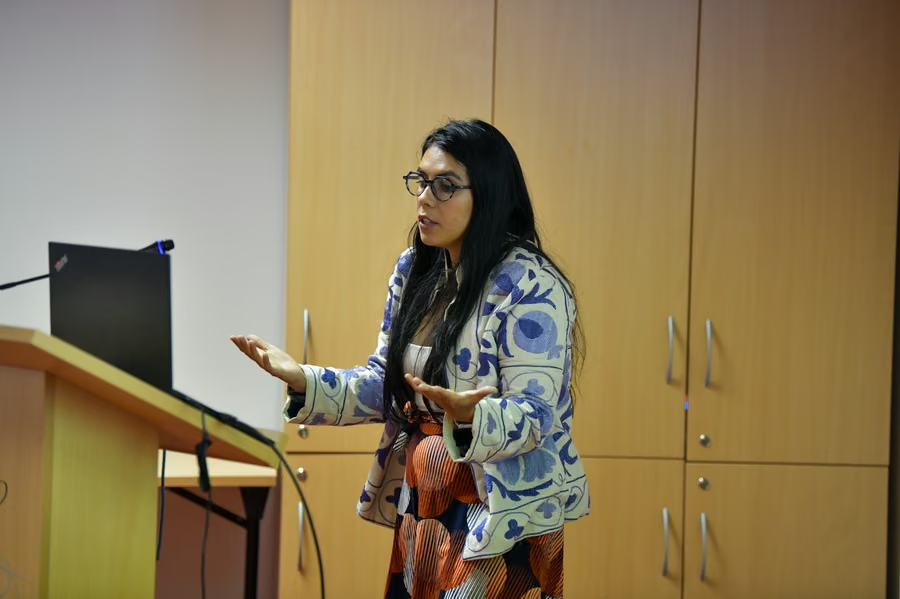
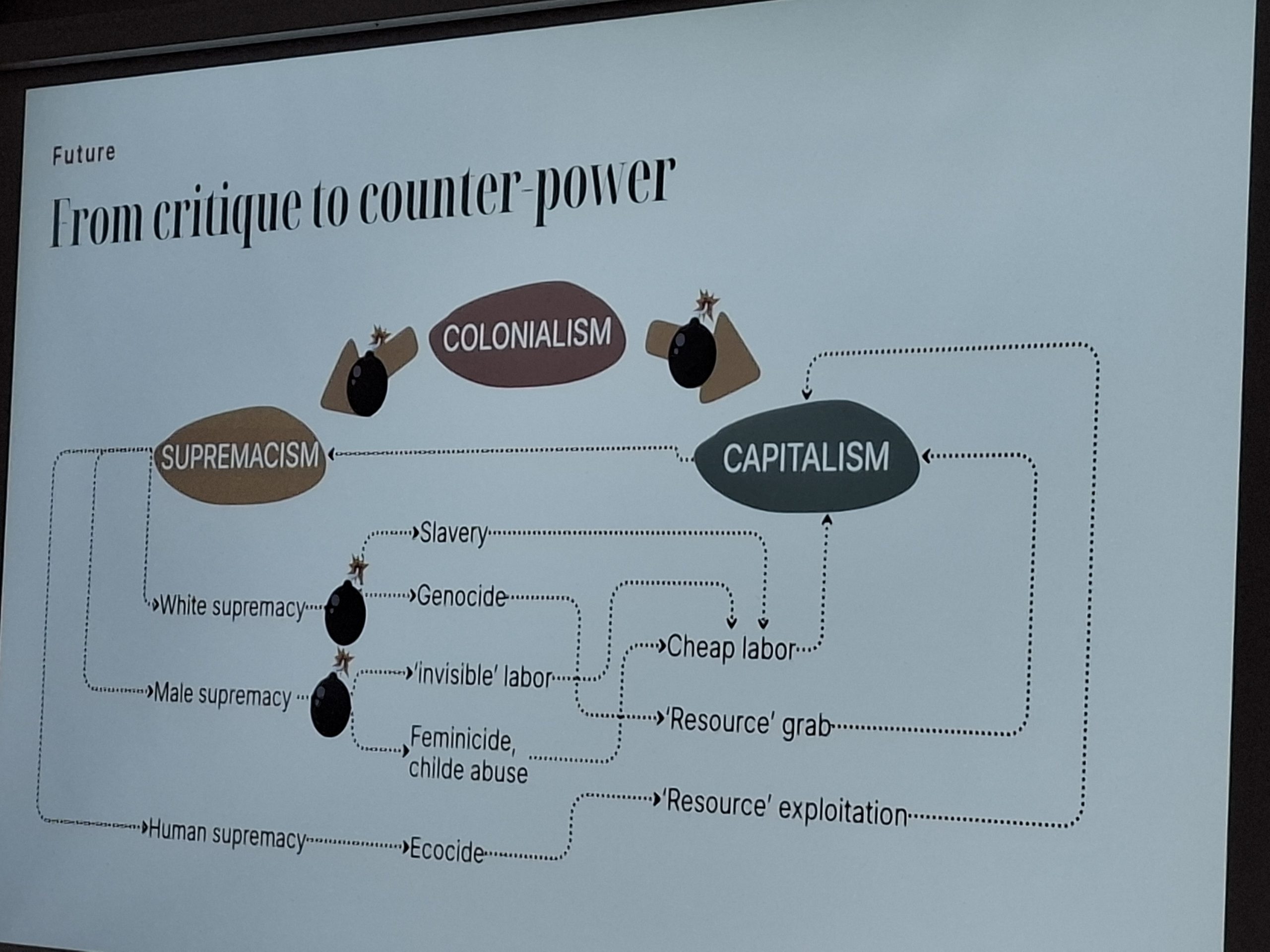
N1 also published a longer video interview with Juliana Arbelaez Gaviria, a Colombian researcher at the University of Lausanne, who spoke at the School about the connections between the climate crisis, land use, economic systems, colonialism and social inequalities.
Arbelaez points out that many basic aspects of life, from housing and food to leisure time, are increasingly treated as commodities in the current economic system. At the same time, she stresses that different futures cannot be created by individuals acting alone, but through organisation and collective action:
“Our power is collective power.”
For her, degrowth is not a finished blueprint for a new universal system, but rather an invitation to once again imagine different forms of social and economic life — and to begin building them in practice.
GDP is not the same as quality of life
The report also features Mladen Domazet from the Institute for Political Ecology in Zagreb, one of the speakers at this year’s School. Reflecting on GDP as the dominant measure of social success, he points out:
“This number is by no means directly related to quality of life.”
Domazet highlights the contradiction of societies that are materially wealthier than they were decades ago, while many people face growing difficulties accessing housing, healthcare, high-quality public services and a secure future. Degrowth, he argues, opens space for a democratic discussion about what we mean by a good life and how society can be organised within unavoidable climatic and material limits.
Alongside the report, N1 also published two longer video interviews with Mladen Domazet in Croatian, in which he discusses economic growth, inequality, ecological limits and why he sees degrowth as an opportunity for a more stable and democratic future, and with Juliana Arbelaez Gaviria is available in English.
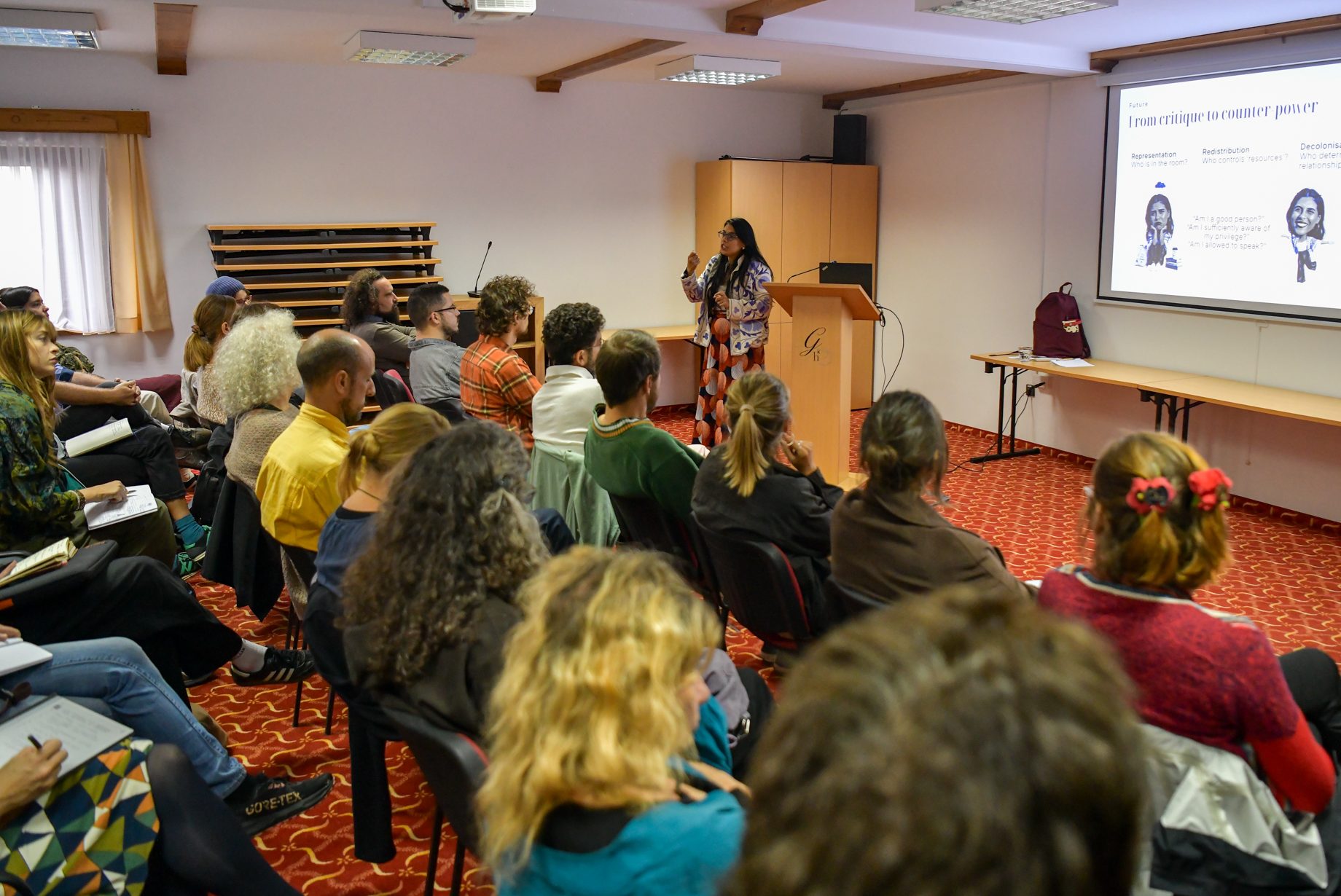
This year’s International Degrowth Political School was therefore also a space for something that is increasingly scarce in everyday life: time for reflection, collective learning and confronting different perspectives on the future. Degrowth is not a single theory or solution, but a mosaic of ideas, research, practices and political proposals. The complex and interconnected crises we are facing cannot be addressed without first understanding them. If the diagnosis is wrong, the solutions are likely to lead us in the wrong direction as well.
Read the full N1 report:
How can we change the economy so that GDP growth brings prosperity to everyone, not just the elite?
The N1 article also includes:
- a video interview with Mladen Domazet in Croatian
- a video interview with Juliana Arbelaez Gaviria in English
