

Land, Power and Property: Rethinking Agricultural Land as a Common Good
Date and location:
November 24, 2026
Amsterdam
Gallery:

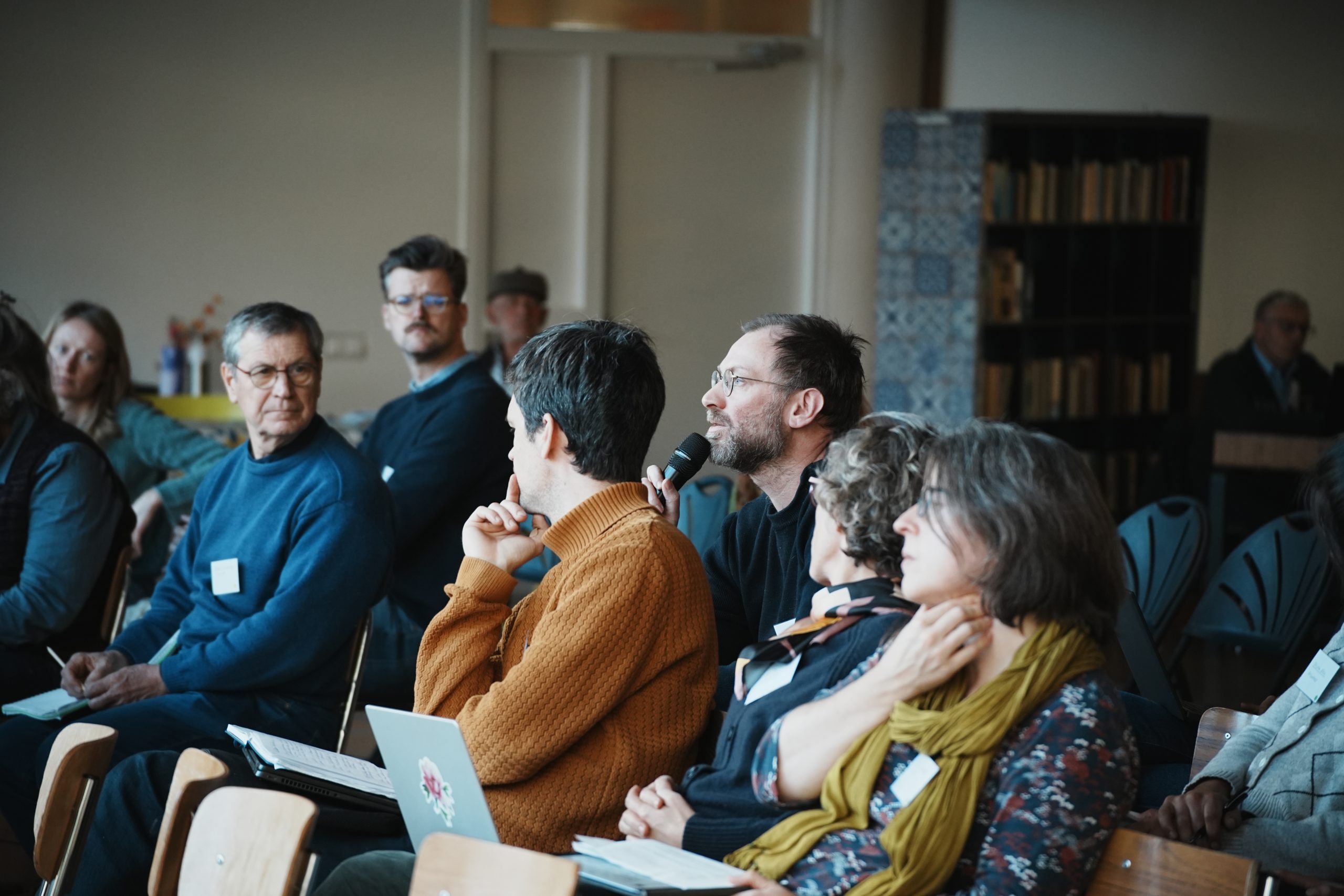

Policy Lab contributed to a two-day seminar organised by the Transnational Institute (TNI) and the Access to Land network, held on 24–25 November 2026 in Amsterdam, exploring the role of land commons in building more equitable and sustainable food systems.
Farmland is essential for producing nutritious food, protecting planetary health and sustaining thriving rural communities. Yet across Europe, agricultural land is predominantly treated as a commodity rather than a resource to be collectively stewarded for the common good. This approach has contributed to increasing land concentration, deepening inequalities in land ownership and creating significant barriers for new generations of farmers.
The seminar brought together activists, researchers, practitioners and policymakers to explore alternative approaches to land ownership, access, use and governance. Discussions focused on how commons initiatives can support sustainable food systems, how these initiatives can be connected and strengthened, and what land and food justice movements can learn from struggles over water, energy and housing.
The two-day programme included a roundtable on an economy for the common good, presentations of European commons initiatives, and thematic workshops addressing food justice, biodiversity, water, agroecology, generational renewal, the role of local authorities and energy democracy.
Land, Power and Property: Challenging prevailing notions of ownership and governance
Who has access to land? Who controls its use? And how do existing ownership structures shape the possibilities for a just ecological transition?
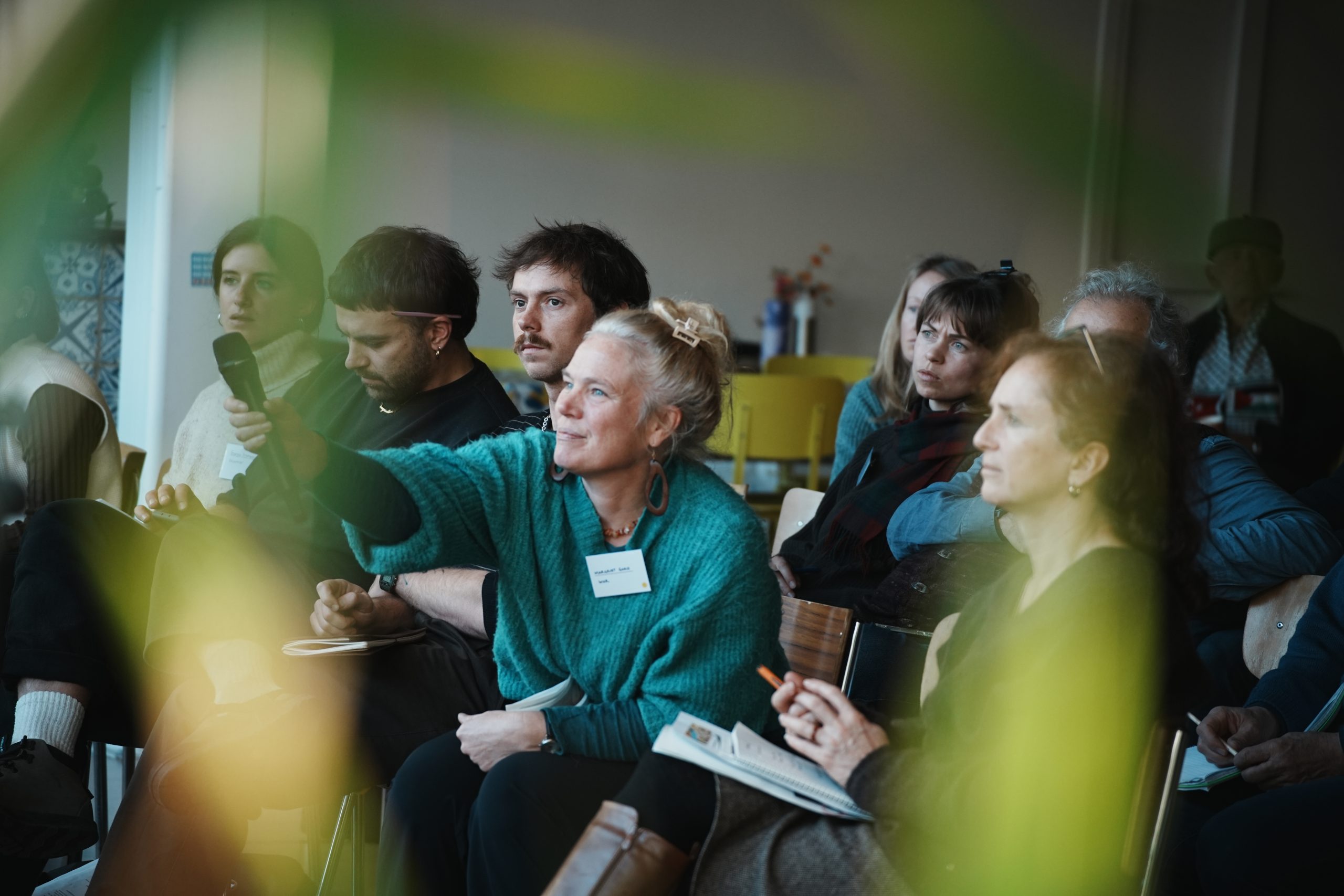
Ajda K. Pistotnik from Policy Lab addressed these questions in the workshop Land, Power and Property: How do commons challenge prevailing notions of ownership and governance?, alongside Adam Calo (Radboud University, the Netherlands) and Leo Hennecke (Ackersyndicat, Germany).
Drawing on political ecology, critical agrarian studies and degrowth research, her contribution examined post-socialist property transformations and agricultural restructuring in Slovenia, Croatia and Serbia. She explored how privatisation, land markets and agricultural support systems have reshaped land ownership, rural livelihoods and the distribution of economic and political power.
Her analysis distinguished between the direct influence of the EU’s Common Agricultural Policy (CAP) in Slovenia and Croatia and the processes of privatisation, agricultural restructuring and alignment with EU policies in Serbia, which is not subject to the CAP. Despite their different institutional and historical trajectories, these countries face common structural challenges. Existing land governance and agricultural support systems can reinforce the advantages of large, capital-intensive agricultural actors while creating barriers for small-scale farmers and new entrants. The presentation also addressed the broader social consequences of these transformations, including declining agricultural employment, youth outmigration and the erosion of rural communities.
A central argument of her contribution was:
green transition policies risk reproducing existing inequalities unless they explicitly address questions of land ownership, access and control.

Agricultural land as a common good
Moving beyond the diagnosis of structural inequalities, the presentation explored alternative approaches to agricultural land governance, including cooperatives, food sovereignty networks, community-supported agriculture and local agroecological initiatives.
Although these initiatives often receive limited institutional recognition and policy support, they demonstrate alternative ways of organising agricultural production, sustaining rural livelihoods, strengthening community ties and caring for ecosystems.
Connecting these experiences with broader degrowth debates, Ajda highlighted the importance of rethinking rural futures and strengthening alliances between urban and rural movements. Such alliances can help challenge the dominant understanding of land as a financial asset and advance approaches centred on social needs, ecological sustainability and democratic governance.
A just ecological transition cannot be achieved through changes in agricultural practices alone. It also requires a transformation of the economic and institutional structures that determine access to land and the distribution of its benefits.
The question is therefore not only how agricultural land is used, but also who owns it, who decides, who benefits and who bears the costs of the transition.
Policy Lab contributes to European debates on land commons, agricultural land concentration, democratic land governance and a just ecological transition.
