

Art Beyond Endless Growth
Date and location:
October 2, 2026
Tabor, Ljubljana
Gallery:
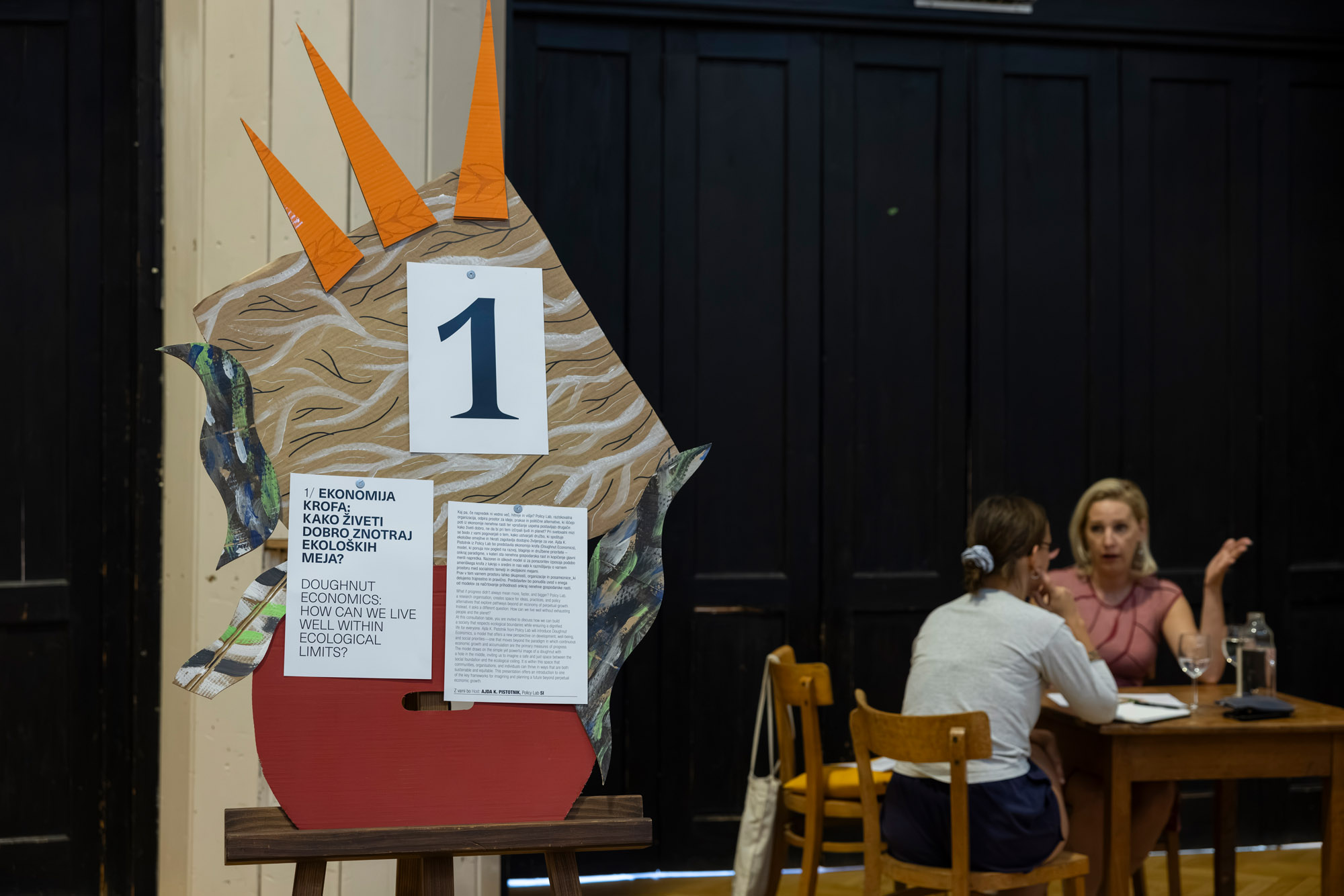
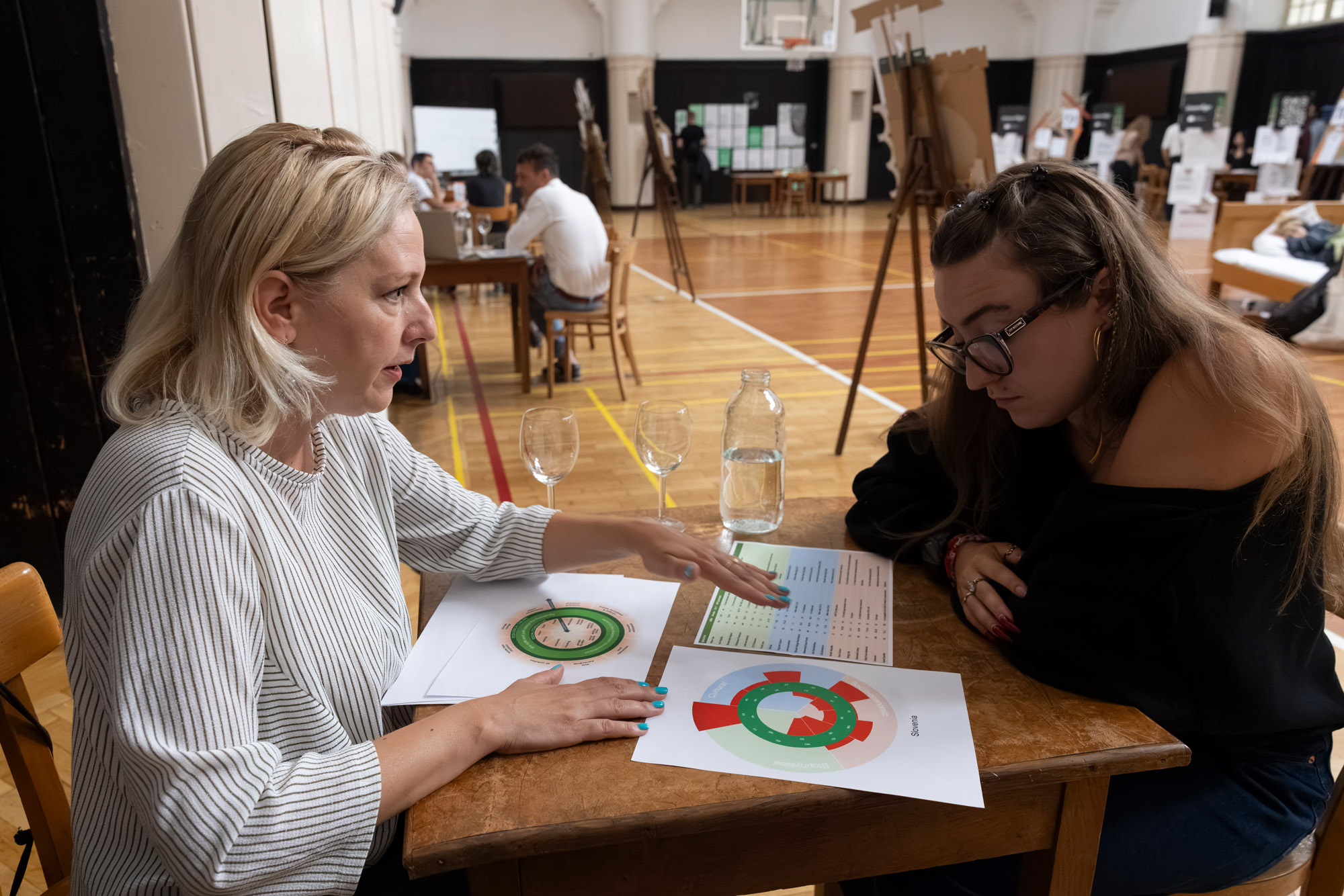
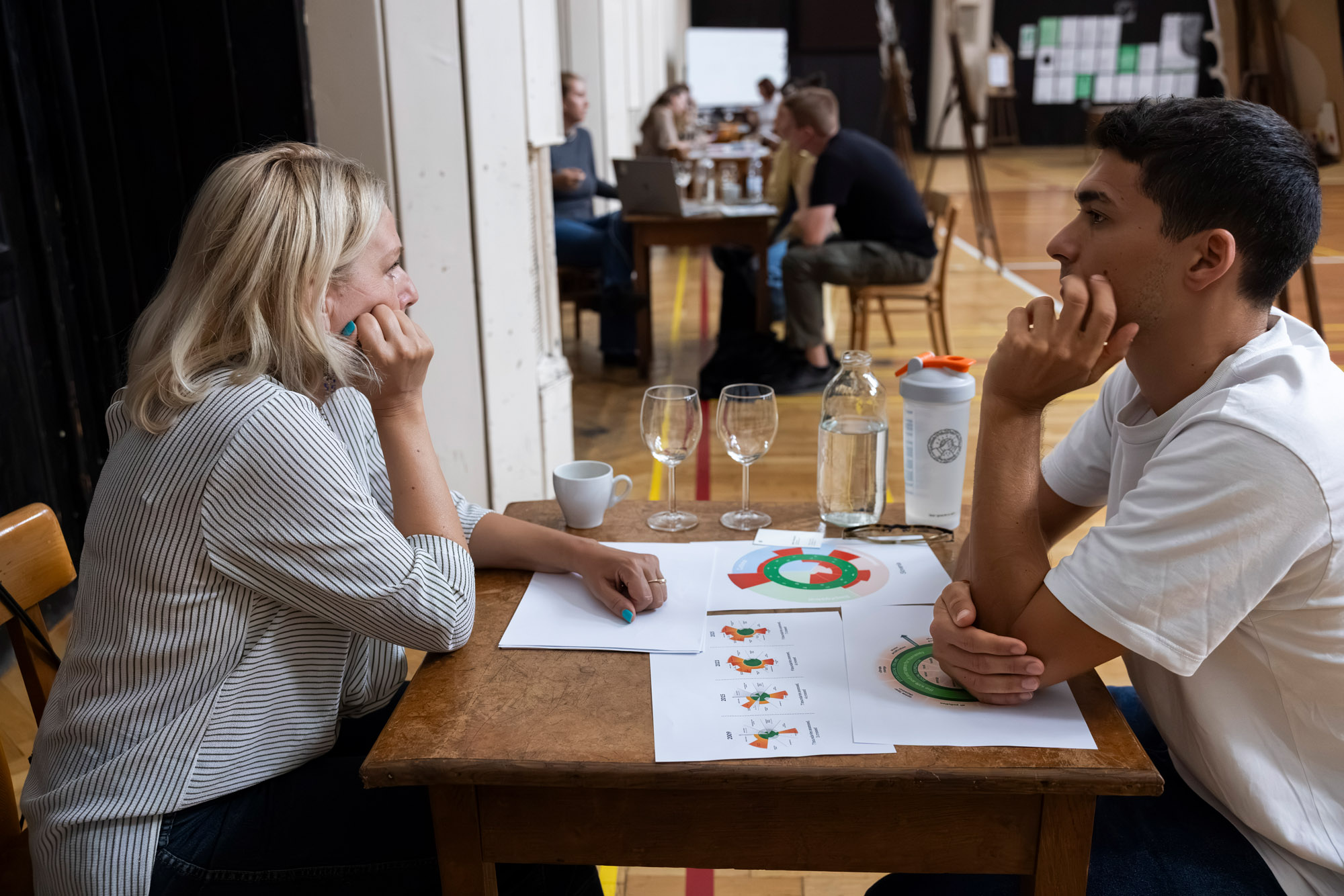
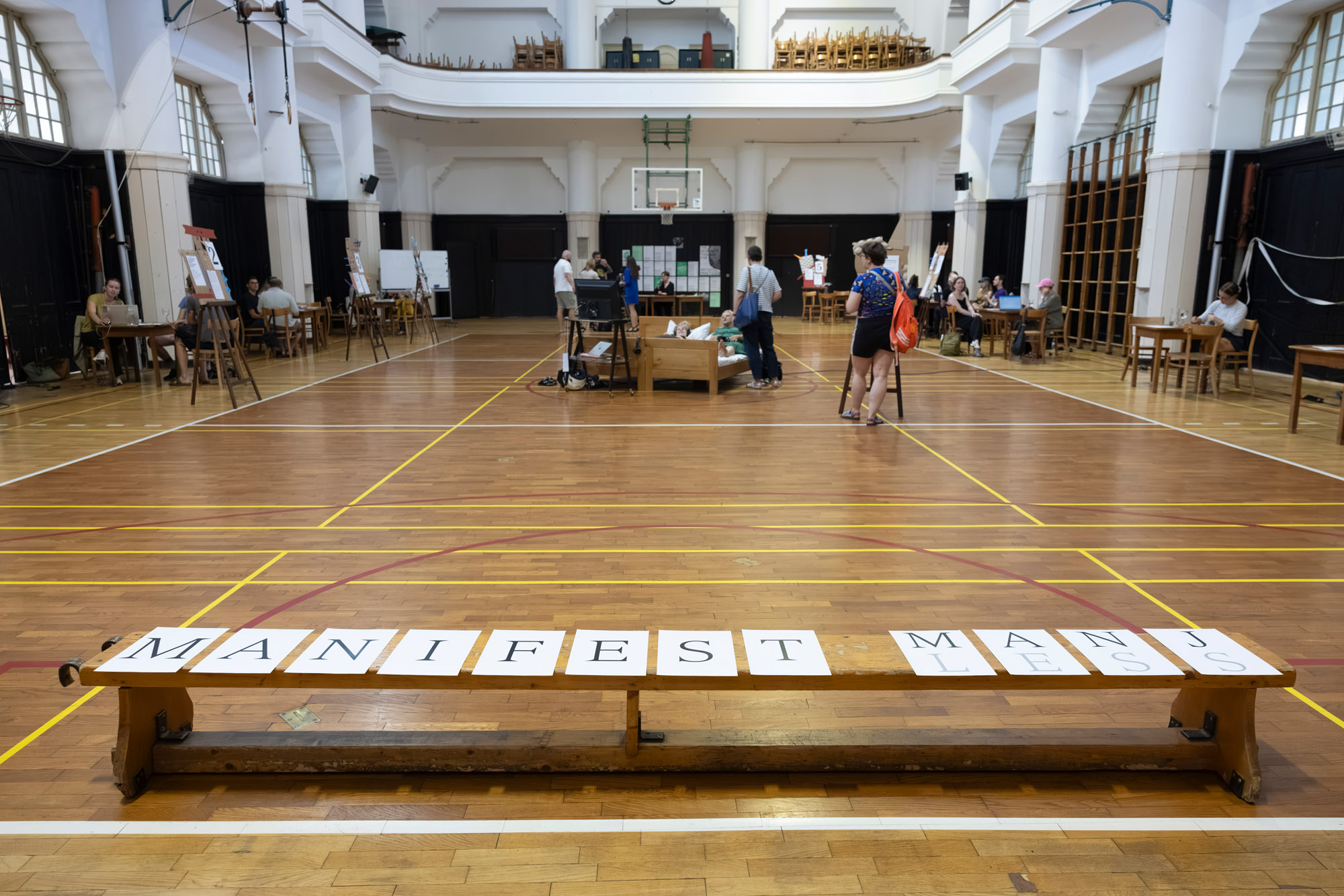
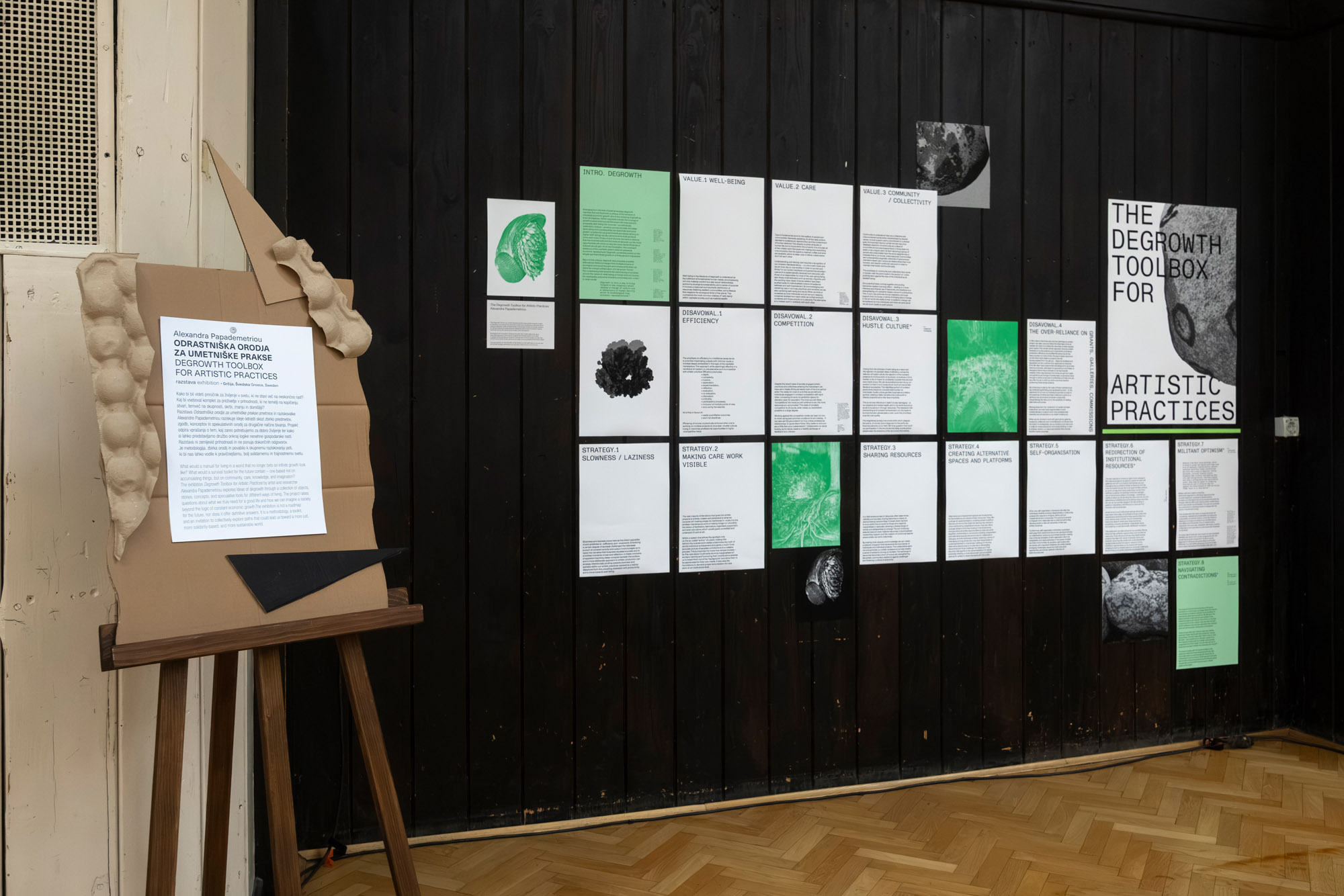
Policy Lab at the two-day event MANIFEST LESS
What would art and cultural production look like if they were no longer driven by the imperative of continuous growth? How can the cultural sector contribute to a socially just and environmentally sustainable future while also rethinking its own working conditions, production models, and use of resources?
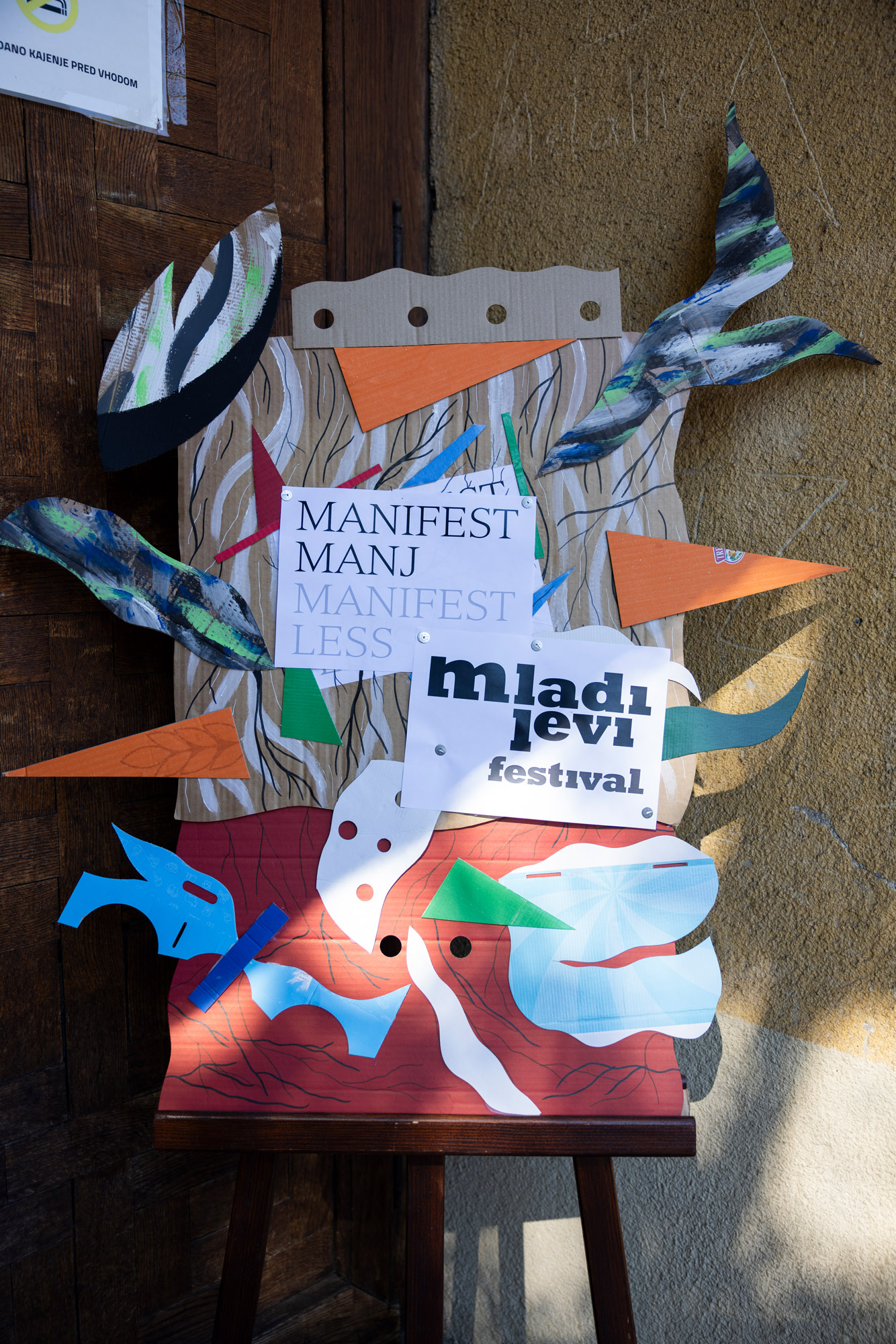
These questions were at the heart of Manifest Less, a programme organised by Bunker as part of the 2026 Mladi levi International Festival. Bringing together artists, cultural workers, researchers, and activists, the programme created a space for critical reflection on growth, sustainability, and the possibilities of doing things differently.
Policy Lab participated in the programme through Ajda K. Pistotnik, who hosted an advisory table dedicated to Doughnut Economics.
Rethinking prosperity: Doughnut Economics and the cultural sector
Developed by economist Kate Raworth, Doughnut Economics offers an alternative framework for understanding prosperity beyond the conventional pursuit of GDP growth. It proposes that economies should operate within two interconnected boundaries:
- a social foundation that guarantees the conditions for a dignified life for everyone, and
- an ecological ceiling that safeguards the planet’s life-support systems.
Between these boundaries lies a safe and just space in which humanity can thrive.
At the Manifest Less advisory table, this framework provided a starting point for discussing the cultural sector’s relationship with economic growth, ecological limits, and social justice.
How can cultural organisations move beyond the constant pressure to expand their programmes, increase audiences, and secure ever more funding? What does sustainability mean when it includes not only environmental responsibility but also fair working conditions, access to culture, and the well-being of cultural workers? And how can arts and culture help us imagine economic systems centred on collective well-being rather than endless accumulation?
These questions connect directly to Policy Lab’s broader work on degrowth, post-growth economics, ecological justice, and well-being beyond GDP. From this perspective, degrowth is not simply about producing or consuming less. It is about democratically rethinking what societies value, how resources are distributed, and which forms of economic and cultural activity contribute to a good life within planetary boundaries.
Manifest Less through the eyes of critics
The programme also inspired reflections on the relationship between artistic practice, labour, sustainability, and economic transformation.
In his article Art Without Exploitation and Endless Growth, published in Aplavz, Tomaž Zaniuk reflects on the questions raised by Manifest Less and the possibilities of cultural production beyond exploitation and the imperative of constant growth. Article HERE
In another Aplavz article, Much Less of a Manifest, Much More Than a Manifest, Una Bauer offers a personal account of the programme. Her journey through Manifest Less begins at Ajda K. Pistotnik’s Doughnut Economics advisory table, where the discussion explores the limitations of GDP as a measure of prosperity and the need for economic models that respect both social needs and ecological boundaries. Article HERE
Together, the two reflections open up a wider conversation about what a post-growth transformation could mean for contemporary artistic and cultural practices.
A visual manifesto for less
One of the outcomes of Manifest Less is an illustrated publication by Petra Korent, also known as trapezbrezpotez. Korent attended all the advisory tables and other events within the programme, translating the discussions, ideas, and encounters into an illustrated zine featuring recommendations for degrowth in arts and culture. The publication captures the spirit of Manifest Less through a distinctive visual language, making complex questions about production, consumption, labour, and sustainability accessible and engaging. An illustration by Petra Korent accompanies this article.
The complete illustrated publication is available online: Manifest Less – illustrated publication by Petra Korent
Towards a culture of enough
Manifest Less reminds us that the transition towards a socially just and ecologically sustainable society is not only an economic or technological challenge. It is also a cultural one. Arts and culture have an important role to play in questioning dominant assumptions about progress, success, productivity, and growth. At the same time, cultural institutions and organisations face similar structural pressures to those found elsewhere in the economy, including precarious labour, competition for resources, and the expectation of continuous expansion.
Moving beyond growth therefore requires both reimagining cultural practices and transforming the economic and institutional conditions in which they operate.
For Policy Lab, participating in Manifest Less was an opportunity to connect our work on post-growth economic alternatives with artistic practices and cultural workers, and to contribute to a wider conversation about how we can build a society in which ecological sustainability, democratic participation, and collective well-being take precedence over endless economic expansion.
